Before the Shutter Opens: A Consent-Led Approach to Photography at Shree Shakti Mandir
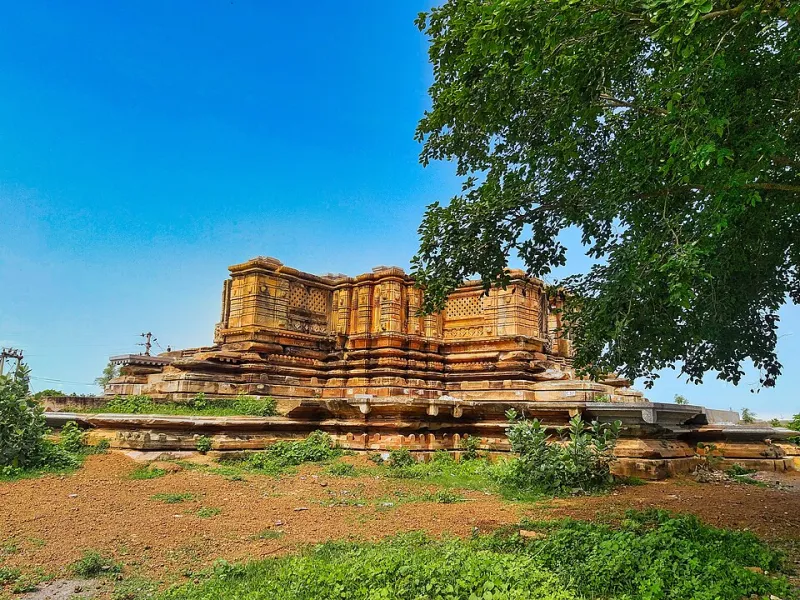
Photo: P. Madhusudan, CC0, via Wikimedia Commons
A mandir is not a studio. It is a place of prayer, service, conversation and sometimes grief. Yet the camera has become a familiar presence at festival time, at bhajan evenings and at community meals. Photographs help a scattered sangat stay connected, especially when families move across Britain or older devotees can no longer travel. The question is not whether a British mandir should take photographs. The question is how it should take them without turning devotion into content by default.
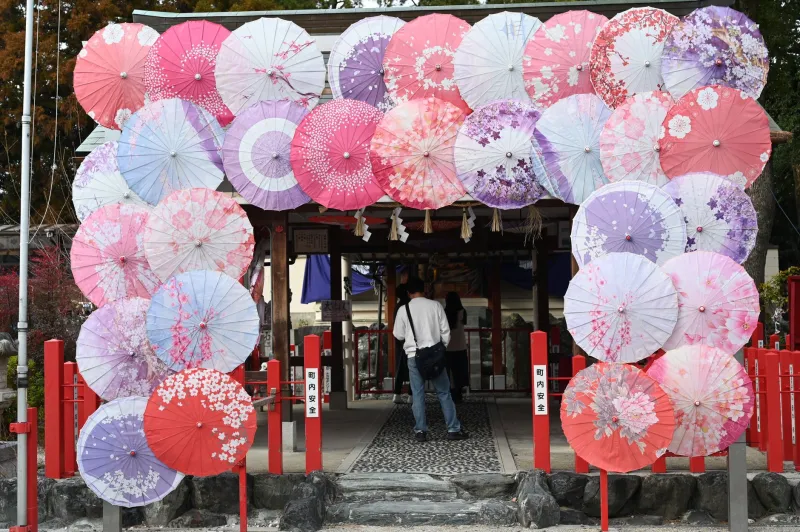
The Threshold Is Also a Boundary
Many devotees arrive at Shree Shakti Mandir carrying more than a shopping bag. They may be fasting, caring for a restless child, mourning a relative or simply seeking a quiet half-hour away from the working week. A camera pointed in their direction changes the room. It can make a private moment public in an instant.
A consent-first culture begins at the threshold. That means making it clear, before anyone enters the prayer hall, that photography may take place and that individuals have a right to opt out. It also means accepting that the right to opt out belongs to the person, not to the occasion. A festival is not a blanket licence to photograph everyone in attendance.
For a UK mandir, this is also a data protection matter. Images of identifiable people are personal data under the UK GDPR, and the principle of fairness matters as much as the paperwork. A short, plain-English notice at the door, on the website and in the weekly bulletin is more useful than a long policy buried in a filing cabinet.
A Notice That People Can Actually Read
Good notices are short, visible and written in everyday language. At the entrance to the prayer hall, a simple line can do a great deal of work: 'Photography may take place today. If you would prefer not to appear in photographs, please speak to a volunteer or wear a red dot sticker available at the welcome desk.'
The red dot is not a gimmick. It gives people a way to signal their choice without having to explain themselves at the moment a photographer approaches. It also gives volunteers a clear visual cue. For children, the sticker should be offered to parents and carers, not simply to the child.
Notice should be repeated in the newsletter and on social media before major festivals. A sentence such as 'We will be taking photographs at the Diwali celebrations on Saturday 7 November 2026; please speak to a steward if you do not wish to be included' is honest and practical. It respects the devotee who plans ahead and the volunteer who has to answer questions on the day.
Children Come First
Safeguarding is not an optional extra in British mandir life. It is part of the duty of care that families reasonably expect. Photographing children requires particular caution, even at a joyful festival. A child cannot give meaningful consent in the way an adult can, and a parent may be elsewhere in the building when a photograph is taken.
The safest approach is a simple rule: no close-up or identifiable photographs of children without the express permission of a parent or carer. Group photographs of a children's activity should be arranged through the activity leader, with parents informed in advance. If a child is wearing a red dot, the photograph should not be taken. If a parent asks for a photograph to be removed later, the request should be honoured promptly and without argument.
Volunteers should also know where to escalate concerns. A named safeguarding lead, a short written procedure and a clear route for deletion are more valuable than a well-meaning but improvised response at the side of the hall.
Older Devotees and the Right to Withdraw
Older devotees are often the heart of a mandir's memory. They may also be the least likely to object to a camera, even when they would prefer not to be photographed. Respect does not mean assuming consent on their behalf. It means asking clearly, allowing silence to mean no, and never pressing a person for a photograph because the image would look good in a newsletter.
A seated area at the back of the hall, a volunteer with a clipboard and a simple opt-out register can make a real difference. So can a rule that photographers do not photograph people receiving personal blessings, speaking with a priest or sitting in quiet prayer. These are moments of vulnerability, not photo opportunities.
Bhajan Evenings and the Atmosphere of a Room
Bhajan evenings present a particular challenge. The atmosphere is warm, the music is communal and the camera can feel like part of the celebration. But a kirtan is also a form of prayer. A photographer moving through the room can distract singers, unsettle listeners and turn a shared devotional moment into a performance.
A practical approach is to designate a small number of official photographers, brief them clearly and keep them to the sides of the room. They should avoid flash, avoid standing in front of the murtis and avoid interrupting anyone who is singing or praying. Where possible, photographs should be taken before the session begins or after it ends, with the consent of those who wish to be included.
Social Media, Newsletters and the Long Memory
A photograph taken today may still be online in five years. That is why consent should cover the intended use, not simply the act of taking the picture. A family may be happy to appear in the printed newsletter but not on Instagram. A young person may be content in a group photograph at eighteen but not at fourteen.
The mandir should keep a simple record of consent: who agreed, what they agreed to and when. It should also have a clear way for people to withdraw consent later. An email address or a named volunteer is enough, provided the request is acted upon. Deleting an image from a website is not difficult, but it requires someone to be responsible for doing it.
Captions matter too. A photograph of a devotee should not disclose personal information, health details or family circumstances. A child should not be named alongside a photograph without parental permission. The safest captions describe the event, not the individual.
A Simple Pathway for Volunteers
The most workable policy is the one volunteers can remember on a busy Sunday. Shree Shakti Mandir could adopt five plain steps: display the notice, offer the red dot, brief the photographers, ask before close-ups and record consent for any image used publicly. A short briefing at the start of each festival is more effective than a lengthy document that nobody reads.
It also helps to appoint a photography steward for larger events. This person is not there to police devotion but to answer questions, check stickers and remind photographers of the boundaries. Their presence signals that the mandir takes the matter seriously.
Memory Without Intrusion
A mandir needs memories. The photographs of a child's first Diwali, a grandmother singing a bhajan or a volunteer serving prasad are part of the community's living archive. But memory should not come at the cost of dignity. A consent-first culture does not diminish the record. It makes the record trustworthy.
At Shree Shakti Mandir, the aim is not fewer photographs. It is better photographs, taken with care, offered with respect and shared with the permission of the people who make the mandir what it is. The lens at the threshold should serve the community, not surprise it.