Beyond the Shared Wall: Making Mandir Sound a Neighbourly Practice
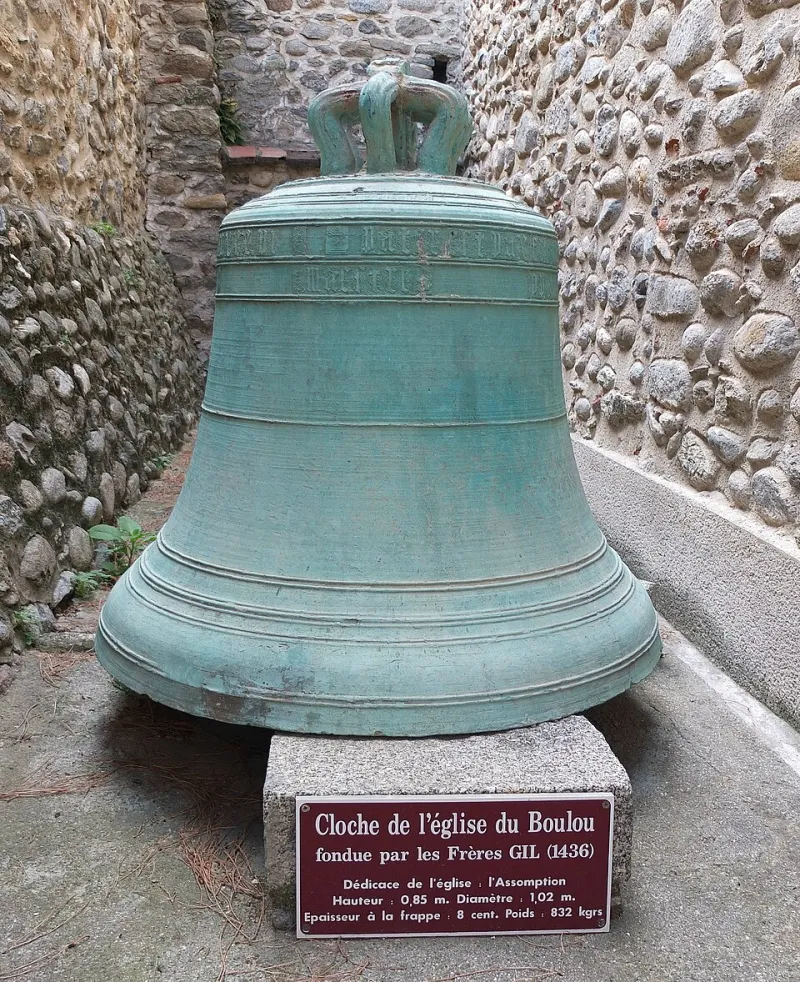
Photo: Palauenc05, CC BY-SA 4.0, via Wikimedia Commons
Sound as Devotion, Sound as Neighbour
A mandir is rarely silent. The shankh announces worship, the bell marks a threshold, the harmonium gathers a congregation, and the ordinary hum of conversation stitches community life together. For devotees, these sounds are not background noise. They are signals of presence, remembrance and belonging.
In a British terraced street, however, the same sounds meet brickwork, sash windows, shared alleys and adjoining walls. A bhajan that feels gentle in a prayer hall can arrive in a neighbour's front room with unexpected clarity. At Shree Shakti Mandir, this is not a reason to apologise for devotional life. It is an invitation to practise it with the same attentiveness that shapes any other form of seva.
Neighbourly care does not dilute faith. It expresses it. The way a mandir handles sound is part of its public witness, especially in a country where Hindu communities live alongside people of many faiths and none.
Understanding What Travels
Not all mandir sound behaves in the same way. A single bell struck indoors may be brief but bright. A conch shell has a penetrating tone that can carry further than expected. Amplified kirtan introduces bass and volume that may pass through walls in ways that unaided singing does not. Announcements, microphones and recorded music add another layer.
It helps to think less about whether a sound is religious and more about how it physically travels. Low frequencies can be felt as much as heard. Open doors and windows change everything. So does the time of day: a short aarti at 7pm is received differently from a rehearsal at 10pm.
A useful first step is a simple sound map. Ask a trusted volunteer to stand at the boundary of the building, then in the nearest shared passage or street, during a typical service. Note which sounds are audible, how long they last and whether they are intermittent or sustained. This is not an exercise in embarrassment. It is practical information for good stewardship.
Timing as a Form of Courtesy
Many mandirs already keep a predictable rhythm. That predictability is valuable. Neighbours are more likely to accept a known pattern of bells or bhajans than an unexpected burst of amplified sound. Publishing a clear weekly timetable, including special festival services, gives everyone a reasonable chance to plan.
Where a building sits close to housing, consider whether weekday practices can be kept compact. A shorter, focused aarti may serve devotees just as faithfully as a longer amplified session. Festival occasions understandably require more sound, but they also benefit from advance notice. Winter evenings, when windows are closed and streets are quieter, can make even modest amplification feel more prominent.
It is also worth reviewing start and finish times with honesty. A service that begins late and ends with a long announcement may create avoidable friction. The aim is not to shrink devotion, but to place it within a rhythm that respects the street it shares.
Volume, Acoustics and the Building Itself
Sound management is often more about the building than the intention. Hard surfaces reflect sound. Carpets, curtains, noticeboards and soft furnishings absorb it. Doors and windows should be closed during amplified worship, especially after dark. Speakers should be positioned away from shared walls and adjacent homes where possible, and sound checks should be carried out at realistic levels rather than by ear alone.
A nominated volunteer can act as a boundary listener during larger services. Their role is not to police worship but to offer a calm, practical check: can the sound be heard clearly beyond the building, and is it reasonable for the hour? If a neighbour raises a concern, a written note of the time, duration and type of sound can help the mandir review matters fairly.
Winter brings particular considerations. Closed windows may keep heat in, but they can also make indoor amplification less predictable. Doors left open for late arrivals can release sound into the street. Outdoor speakers, if used at all, deserve especially careful thought in residential areas. The quieter the street, the more noticeable a familiar mandir sound becomes.
Communication Before Complaint
Most difficulties around sound begin as uncertainty rather than hostility. A neighbour may not know why a bell rings at a particular hour, or whether a festival will be a one-off or a week-long event. Clear communication removes that uncertainty.
A brief letter to nearby households at the start of a festival season can explain what will happen, when it will happen and whom to contact if concerns arise. An open invitation to visit the mandir, perhaps alongside an interfaith or community event, can turn an abstract sound into a familiar part of local life. A named contact, whether by email or telephone, gives neighbours a route that is not a public complaint.
This is not about seeking permission to worship. It is about extending the courtesy that any good neighbour would offer. When concerns are raised, the first response should be to listen and record, not to defend. A calm review may reveal a simple adjustment: a door closed, a speaker moved, an announcement shortened, a rehearsal rescheduled.
Seva Heard Through the Wall
In Hindu thought, seva is often understood through tangible acts: food prepared, floors swept, guests welcomed. Yet attention to a neighbour's peace is also seva. It recognises that the mandir does not exist in isolation but within a web of relationships, including those who will never enter its prayer hall.
At Shree Shakti Mandir, the sound of the shankh should remain a sign of faith alive in Britain. The question is not whether that sound belongs in a terraced street, but how it can be offered with clarity, courtesy and care. Handled well, the bell that calls devotees to worship can also remind a neighbourhood that faith and good neighbourliness are not opposing values.
As November 2026 brings shorter days and closed windows, this is a fitting season to review the mandir soundscape with fresh attention. A quiet conversation, a revised timetable and a thoughtful word to the neighbours may do more for community harmony than any formal policy. Devotion, after all, is not only heard inside the hall. It is felt in how we treat those beyond the shared wall.