Voices from the First Journey: Building an Oral History Circle in a British Mandir
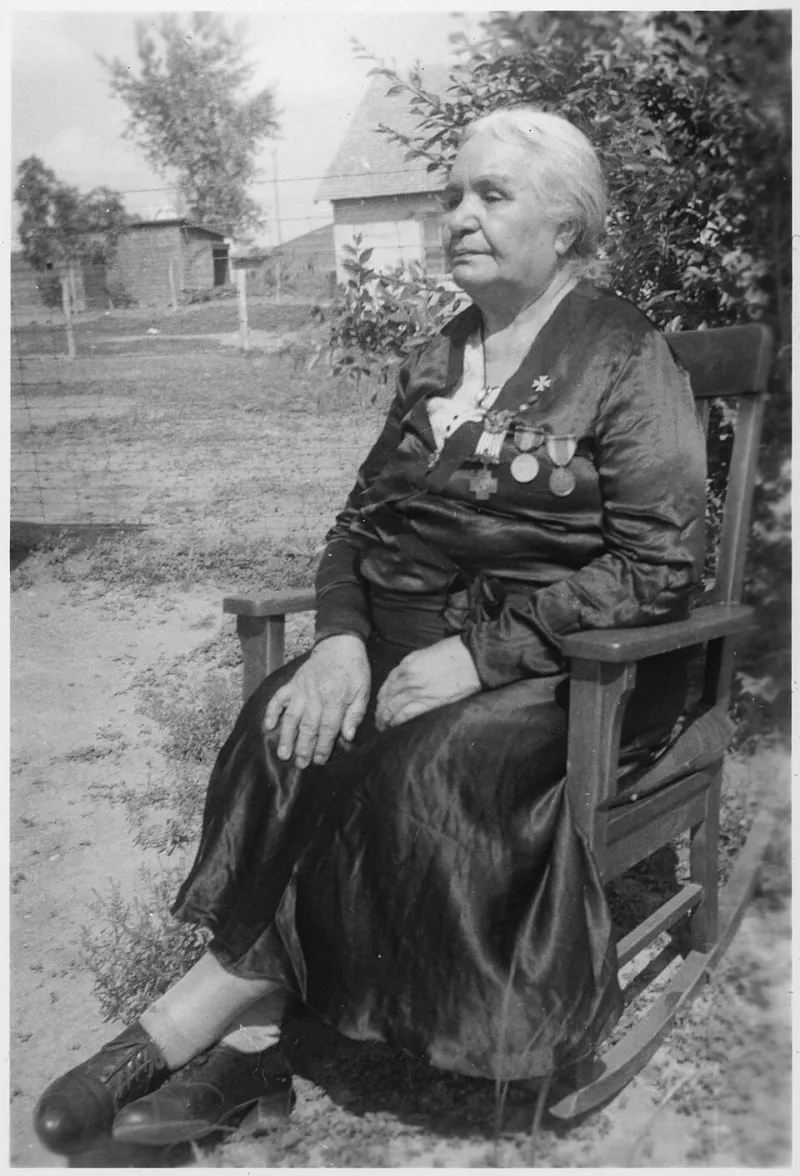
Photo: Unknown authorUnknown author or not provided, Public domain, via Wikimedia Commons
The story of British Hinduism is often told through buildings, festivals and census figures. Less often is it told through the voice of the person who arrived at Heathrow with a small suitcase, worked shifts, saved for a house and helped to rent the first hall for a mandir. Those memories are still with us, but they are not permanent. An oral history circle at Shree Shakti Mandir can begin to record them with care, consent and a clear purpose.
Why oral history, and why now
First-generation British Hindus arrived in different waves and from different places. Some came from India, East Africa, Sri Lanka and Mauritius; some arrived as children and some as adults. Their memories of migration, work, family and temple-building are part of the mandir's own foundation. Yet many of those memories sit in kitchens and front rooms rather than in archives. A recording made now can preserve not only dates and events but also tone, hesitation, humour and the practical detail that formal histories often miss.
Oral history is not the same as a quick interview for a newsletter. It is a planned, consent-led process in which a narrator is invited to shape their own account. The aim is not to extract a perfect chronology or to create a heroic narrative. It is to listen carefully, record accurately and preserve the result in a way that the narrator understands and agrees to.
The shape of a respectful circle
Start small. In the first year, six to ten narrators are enough. The circle needs one coordinator, two or three trained interviewers and a transcription volunteer. It should meet quarterly to review progress, discuss ethical questions and plan public sharing. The narrators themselves can help to set themes, suggest other people to approach and advise on what should remain private.
A circle is preferable to a one-off project because it creates relationships. Narrators can be invited back to check transcripts, attend a listening afternoon or approve an excerpt for the mandir website. The pace should be slow enough to allow trust to develop. No one should be promised publication before they have given consent, and no one should feel that their story is being collected for someone else's prestige.
Consent, privacy and the right to withdraw
Written consent is essential, but it should be more than a signature. The narrator needs to know what will be recorded, who will hear it, where it will be kept and for how long. They should be told that they can pause the recording, skip a question or withdraw before the material is deposited in the archive. They should also be told what will happen if they withdraw after deposit, and whether a transcript can be edited or sealed for a period.
The coordinator should follow UK data protection principles and keep consent forms with the recordings. Sensitive subjects may arise, including Partition, displacement, bereavement, family conflict or financial hardship. Interviewers should not probe for distress. If a narrator becomes upset, the interviewer should offer to stop, move on or continue another day. A cup of tea and a quiet pause are more useful than a follow-up question.
Some narrators may wish to seal their recording for ten or twenty years. That request should be respected, with the conditions recorded clearly. Others may be happy for clips to be used in a festival display but not online. Consent should be granular: recording, transcription, archiving, public playback and online publication are separate permissions.
Equipment without extravagance
A simple digital audio recorder with an external microphone is sufficient. A smartphone can serve as a backup, but it should be tested and placed carefully. The room should be quiet, with soft furnishings if possible, and away from kitchen noise or corridor traffic. Record a short test, check the levels and make sure the narrator is comfortable before beginning.
After each session, copy the files to two separate devices and label them with the date, narrator code and interviewer initials. Do not rely on a single memory card. Video is optional, but audio is often less intrusive and easier to transcribe. If the narrator speaks a language other than English, consider a trained interpreter rather than a family member, who may unintentionally shape the account or inhibit candour.
Training youth interviewers
Young people can be excellent interviewers if they are properly prepared. A short training session should cover active listening, open questions, comfortable silence, the difference between clarifying and correcting, and the importance of not filling gaps with assumptions. Interviewers should also understand safeguarding, confidentiality and the rule that nothing is published without consent.
Intergenerational pairing can be powerful, but it needs support. A young interviewer may not speak the narrator's first language, or may be unfamiliar with the places and events being described. A glossary of local names, dates and terms can help. The coordinator should debrief with the interviewer afterwards, not to critique the performance but to check how they are feeling and whether anything needs follow-up.
Transcription and checking
Transcription can be verbatim or lightly edited, but the approach should be consistent and explained to the narrator. A verbatim transcript preserves hesitations and repetitions; a lightly edited version is easier to read but changes the rhythm of speech. Whichever is chosen, the narrator should have the chance to check names, places and dates. A time-stamped index of topics makes the recording easier to use later.
Automated transcription tools can save time, but they must be checked carefully and used only in line with the mandir's data policy. Sensitive recordings should not be uploaded to unapproved services. The transcript should be stored with the audio file and the consent form, using a simple reference number.
A simple community archive
An archive does not need a museum room. It needs a locked cabinet, an encrypted hard drive, a backup and a clear access policy. Each deposit should have an accession number, a consent form, the original recording, any transcript and basic metadata: name, date, place, language, interviewer and access conditions. A simple spreadsheet can act as the catalogue.
Where possible, the mandir might partner with a local record office or community archive that can advise on long-term storage. Public sharing can begin modestly: a listening corner at a festival, a short excerpt on the website or a printed booklet with consenting narrators. The purpose is not to accumulate files but to keep the voices available to the community in a way that respects the people who gave them.
The first six months
In month one, form a small steering group and agree the consent and access policies. In month two, invite the first narrators and explain the process in person. In month three, train interviewers and test the equipment. In months four to six, conduct the first interviews and begin transcription. Review the process at the end of the six months and ask narrators what should change.
The work is slow, and that is appropriate. When an elder hears their own story played back and says that it sounds like their mother's kitchen, the archive has already begun to do something valuable. It has made a private memory part of a shared inheritance, with the narrator's dignity intact.