Beyond the Sweet Box: How UK Hindu Communities Can Build a Seva Rota for Every Season

Photo: P. Madhusudan, CC0, via Wikimedia Commons
Every autumn, British Hindu communities witness an outpouring of energy. Diwali and Navratri bring packed halls, shared meals, generous donations and a renewed sense of purpose. Then the lamps are packed away, the mithai is finished and ordinary weeks return. The challenge is not that goodwill disappears. It is that goodwill needs structure if it is to last beyond the festival calendar.
In 2026, many temples and community groups are asking a practical question: how can the warmth of the festival season become a reliable pattern of service across the year? The answer lies less in grand campaigns than in modest, well-supported rotas that respect people's time, skills and limits.
From festival energy to ordinary Tuesday
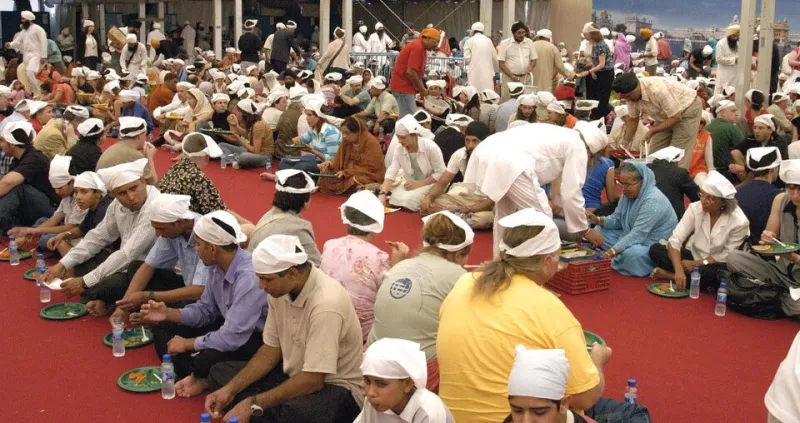
Festival seva is visible and communal. Volunteers arrive together, work in a shared rhythm and see the results quickly. Midweek seva is often quieter: a lift to an appointment, a phone call to an isolated elder, a food-bank collection or a hall cleaned before the evening programme. These tasks matter precisely because they are ordinary.
A rota should begin with listening. Ask devotees what they can offer and what they need. Some can give an hour a month; others can give a morning each week. Some can drive; others can cook, translate, manage spreadsheets, repair equipment or make phone calls. Skills-based seva is often overlooked, yet it can be among the most valuable contributions a community receives.
Five practical strands for a year-round rota
Elder visits and companionship are an obvious starting point. In many British Hindu households, older devotees live at a distance from family or spend long stretches alone. A rota for friendly calls, short visits and help with shopping can reduce isolation without creating dependency. Visits should be paired where possible, with clear boundaries and a named coordinator.
Temple cleaning and preparation can also be scheduled. Instead of relying on the same few people after every festival, a monthly cleaning rota can share the load. Tasks should be specific: vacuuming the hall, cleaning the kitchen, checking the shoe area, restocking supplies. Clear lists make volunteering less daunting and more dignified.
Lift-sharing is a practical form of seva that directly widens access. A rota of drivers can help those without transport to attend programmes, medical appointments or community events. This requires care around insurance, safeguarding and consent. It should be coordinated, not improvised through informal messages that leave people waiting.
Food-bank collections and community meals are another strand. Temples already handle large quantities of food during festivals. A modest year-round arrangement might involve a labelled collection box, a monthly delivery rota and a named contact at the receiving organisation. Food hygiene, storage and use-by dates must be treated seriously.
Finally, skills-based seva can strengthen the community's infrastructure. Accountants, teachers, IT volunteers, cooks, gardeners, translators and administrators all have gifts that can be offered in defined pieces of work. A skills register, kept with consent, can help coordinators match people to tasks without overburdening the same dependable few.
Designing a rota that people can keep
A rota fails when it asks too much of too few. Short slots, clear descriptions and backup volunteers are essential. Monthly or six-weekly patterns often work better than weekly commitments that collide with work and family life. Digital tools can help, but they should not exclude those who prefer a phone call or a paper list.
Coordinators should confirm dates in advance, send reminders and thank people specifically. They should also plan for absence. A rota with no reserve is simply a roster of pressure. Where possible, pair newer volunteers with experienced ones and keep instructions simple.
Safeguarding, burnout and the duty of care
Sustained seva requires safeguarding. Elder visits, lift-sharing and work with children should follow the community's safeguarding policy, with appropriate checks and clear reporting lines. Volunteers should know who to contact if they have a concern. Confidentiality matters, but so does the duty to escalate risk.
Burnout is a real risk in faith communities, where generosity can be assumed rather than supported. Coordinators should watch for volunteers who say yes to everything, and for those who quietly disappear. Regular debriefs, realistic expectations and permission to rest are part of good stewardship. A rota should protect the volunteer as well as the person being served.
Making room for younger volunteers and disabled devotees
Younger volunteers often bring energy and digital confidence, but they need supervision, meaningful tasks and safe boundaries. A youth seva strand might include helping at community meals, sorting donations, managing audio equipment or supporting festival preparations, always with an appropriate adult present.
Disabled devotees should be included by design, not as an afterthought. Some tasks can be done seated, remotely or in shorter sessions. Accessible rotas might include phone calls, admin, recipe sharing, translation or welcoming duties. Ask what adjustments are needed rather than assuming incapacity.
Measure less, listen more
A lasting seva rota is not judged by the number of hours logged. It is judged by whether people feel respected, whether needs are met and whether the community can continue without exhausting its most committed members. The period after Diwali is an opportunity to build quietly: a named coordinator, a simple list, a clear safeguarding route and a realistic rhythm.
At Shree Shakti Mandir, the festival spirit is not confined to the festival itself. It lives in the ordinary Tuesday, when a lift is offered, a hall is cleaned and an older devotee receives a call. That is how post-festival goodwill becomes a year-round habit of care.