The Story in the Details: A Respectful Visitor's Guide to Murti Symbolism
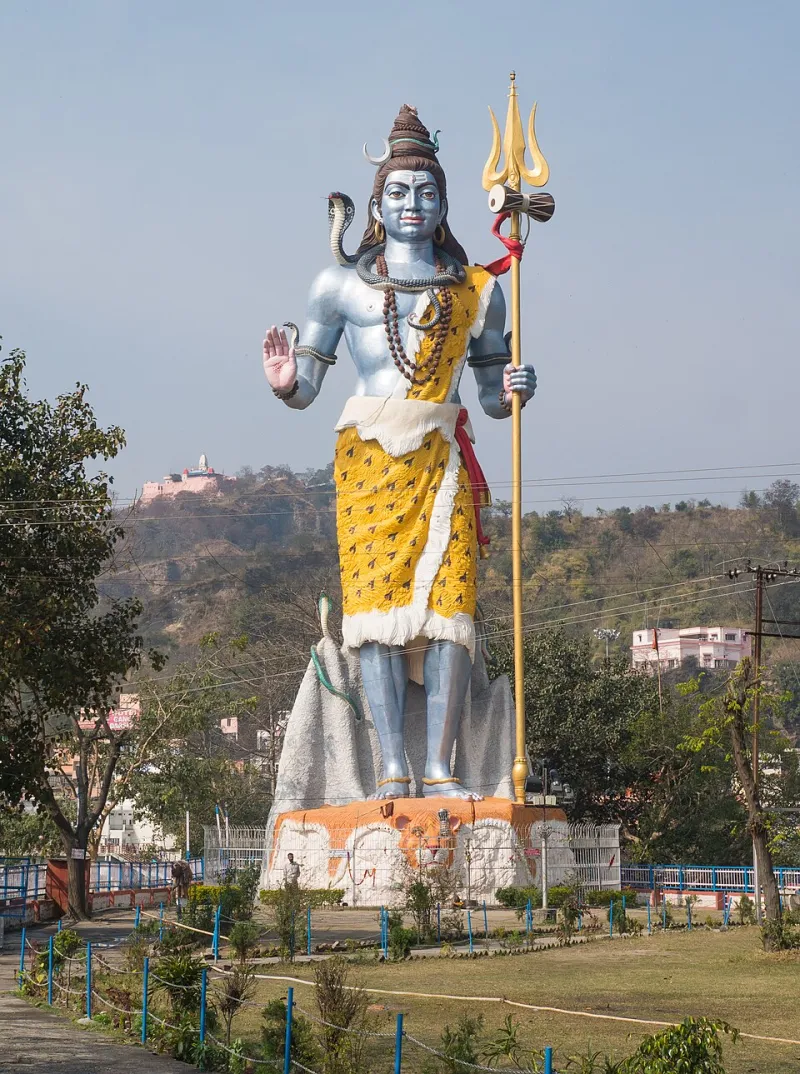
Photo: Jay Galvin from Pleasanton, CA, USA, CC BY 2.0, via Wikimedia Commons
For a first-time visitor, the shrine hall at Shree Shakti Mandir can be visually rich: coloured cloth, garlands, lamps, bells and sacred images in differing postures and sizes. It is easy to feel that one is missing a key to the room. The key is not secret, but it does require a different kind of looking. A murti is not a portrait or a museum object. It is a sacred image, and its details are meant to be read.
First, What a Murti Is
In Hindu practice, a murti is a form through which the divine is honoured. It may be carved stone, cast metal, painted clay or a framed picture. The image is treated as a guest: it is bathed, dressed, offered food and flowers, and given rest. This is why visitors may see a small curtain being drawn, a cloth being changed or a plate of fruit placed nearby. These are not stage directions. They are acts of hospitality.
The word 'idol' is often used in Britain, particularly in school textbooks and museum labels, but many Hindus find it reductive. 'Murti' or 'sacred image' is more accurate and more respectful. The difference matters because it changes what one is looking at: not a figure to be admired for its craftsmanship alone, but a presence to be approached with care.
How to Look: A Visitor's Method
A useful method for visitors is to look in three movements. First, take in the whole image: its posture, size and setting. Second, look at the hands and the objects they hold. Third, notice the face, the eyes and the colours. Each layer carries meaning, and none requires specialist knowledge to begin.
It also helps to ask what the image is doing rather than only what it represents. Is the figure standing, seated or dancing? Is a hand raised? Is a weapon held loosely or firmly? These choices are not decorative. They shape the story the image tells.
Hands and Gestures
Hand gestures, or mudras, are among the most direct clues. A palm facing outward with fingers upright is often the abhaya mudra, a gesture of reassurance and fearlessness. A downward-facing palm with fingers open may be the varada mudra, associated with giving and blessing. A hand held near the chest can signal teaching or holding a small object of significance.
In a temple hall, visitors will also see hands holding a conch, a discus, a lotus, a trident or a sword. The conch is linked to sound and creation; the discus to order and protection; the lotus to purity and spiritual unfolding; the trident to the three qualities of nature and to divine authority. A sword often stands for the cutting away of ignorance. These are not random attributes. They are shorthand for a larger story.
Objects That Tell Stories
Some objects are easier to recognise than others. Ganesha is often shown with a modak, a sweet, and a mouse, reminding viewers that wisdom and humility belong together. Lakshmi may hold lotuses and be surrounded by signs of abundance. Durga may ride a lion or tiger, carrying weapons that represent courage and the defeat of destructive forces. Saraswati may hold a veena, a book or a rosary, pointing toward learning, music and disciplined practice.
At Shree Shakti Mandir, the emphasis on Shakti means that visitors will encounter forms of the Goddess in several moods: fierce, generous, calm and protective. The details help distinguish them. A garland of skulls is not a horror motif; it speaks of time and the overcoming of fear. A raised weapon is not an invitation to violence; it is a symbol of the inner struggle against ignorance and injustice.
Colour, Garlands and Offerings
Colour carries mood and meaning. Red is often associated with energy, activity and auspiciousness. White can suggest purity, peace or mourning, depending on context. Yellow is linked to learning and generosity. Green suggests growth and fertility. None of these meanings is fixed for every image, but they offer a starting point.
Garlands and offerings show that the image is cared for. Flowers may be fresh or artificial, and fruit may be placed nearby before being shared as prasad. A coconut may represent a life offered in humility. Cloth may be changed according to festival or season. Visitors should not assume that an offering is left untouched because it is unimportant; it may simply be waiting for the right moment in the ritual.
Eyes, Posture and Presence
The eyes of a murti are often painted with particular care, especially in images prepared for installation. In many traditions, the opening of the eyes is part of the consecration that invites divine presence. This is one reason why visitors should avoid touching the face or leaning over an image. The eyes are not there to be stared at boldly, but to be met with respect.
Posture also matters. A standing figure may suggest readiness and authority. A seated figure may suggest stability and meditation. A dancing figure, such as Shiva Nataraja, suggests creation, preservation and dissolution as a single movement. In a Shakti context, a Goddess standing on a demon or lion may express the triumph of divine power over chaos, not mere aggression.
What Not to Do
Visitors are welcome, but a few simple courtesies make a difference. Remove shoes where the mandir asks you to. Do not touch a murti unless a priest or volunteer invites you to do so. Avoid pointing your feet toward the shrine. Ask before taking photographs, and follow any instructions about where to stand. If prasad is offered, receive it with respect; it is customary in many Hindu settings to accept with both hands.
These are not tests. They are ways of showing that one recognises the space as sacred. A visitor who asks a question politely will usually find someone willing to explain.
Questions Are Welcome
Confusion is not a failure. The visual language of a mandir is learned, like any other language, and most regular devotees are still noticing new details years after their first visit. At Shree Shakti Mandir, the invitation to the wider community is to look with patience rather than certainty. A murti rewards that kind of attention. The more carefully one looks, the more one sees not just a figure, but a story about courage, generosity, learning and the ordering of a life.