Dignity at the Doorstep: Making British Mandir Life Easier for Older Devotees
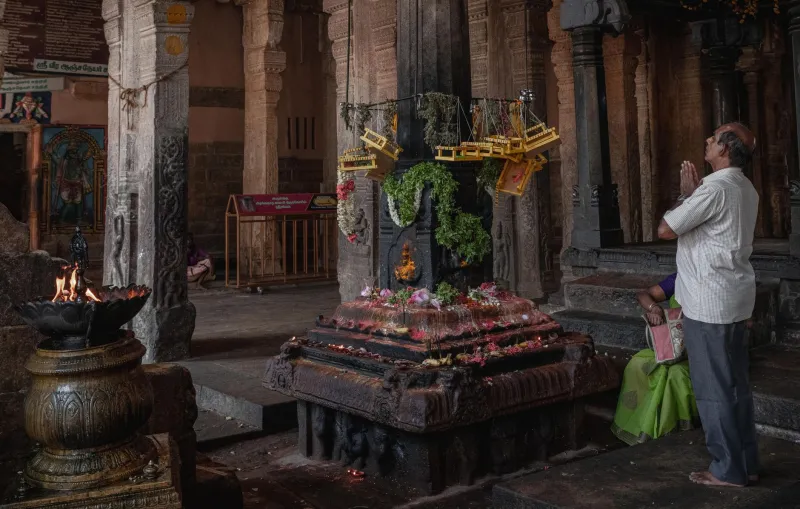
At Shree Shakti Mandir, the shoe rack is often the first place where a visitor pauses. For younger members of the community, that pause is brief. For an older devotee, it can be the first of several quiet hurdles: a low bench, a narrow corridor, a long walk to the prayer hall, or the simple worry of finding somewhere to sit once the aarti begins. None of these obstacles is dramatic on its own. Together, they can decide whether an elderly parent, neighbour or friend feels able to come at all.
Across the UK, Hindu communities are ageing. Many mandirs that were built or adapted by younger families in recent decades now welcome grandparents who need a slower pace, clearer signage and a reliable place to rest. The response should not be pity, but hospitality. A mandir is not merely a building for rituals; it is a place where dignity, belonging and family duty meet. Making room for older devotees is therefore both a practical task and a spiritual one.
Why the First Ten Metres Matter
The experience of a mandir begins before the prayers. It starts at the car park, the bus stop, the front gate and the shoe rack. If an older person cannot see where to sit, cannot hear the welcome, or cannot manage the steps, the message – however unintended – is that the building was designed for someone else.
At Shree Shakti Mandir, conversations with families have highlighted a familiar pattern. Older devotees often arrive early, not because they are anxious about missing the start, but because they want to avoid the crowd at the entrance. They may bring a folding stick, a hearing aid, or a relative's arm. Some will wait in the car until the initial rush has passed. Others stop attending altogether, unwilling to become a burden.
A bench near the shoe rack is a small answer to a large question. It says that the community expects older people to be present, and that their comfort has been considered. The same principle applies to handrails, non-slip flooring, a wider doorway, and a clear route to the main hall. None of these changes requires a grand rebuilding project. Most require observation, conversation and a modest budget.
Listening Before Renovating
Mandir teams can be tempted to start with a list of physical improvements. A better first step is to ask older devotees what actually gets in the way. A survey after a Sunday programme, a short conversation over tea, or a suggestion box near the entrance can reveal issues that younger volunteers may never notice.
Questions should be specific and respectful. Is the seating comfortable for a full aarti? Is the sound system clear at the back of the hall? Are festival queues too long for those who cannot stand? Is there a quiet room where someone can rest if they feel unwell? Would a lift from a nearby street make the difference between attending and staying at home?
The answers may surprise. A mandir may invest in a hearing loop only to discover that poor acoustics and echo are a bigger problem. Another may assume that older devotees want to sit at the front, when in fact many prefer the back row so they can leave quietly if needed. Listening turns good intentions into useful provision.
Practical Steps for Mandir Teams
Several changes can be made without major expense. Clear signage in large print, with simple symbols as well as words, helps everyone. A designated drop-off point near the entrance reduces the distance from car to door. Volunteers can be asked to keep the shoe rack area uncluttered and to offer a chair to anyone who needs one. During festivals, a separate slower queue for older devotees and families with young children can prevent unnecessary standing.
A hearing loop, a working microphone and a speaker who faces the congregation all improve participation. So does a printed order of service with larger text for major festivals. Where possible, mandirs can set aside a small side room or a screened corner for rest, first aid or quiet prayer. For those who cannot climb stairs, a ground-floor seating area should be clearly marked and genuinely available, not used for storage.
Transport is often the deciding factor. A volunteer lift rota, coordinated by the mandir office, can help older devotees attend regular programmes without relying on one family member. The rota should be organised with care: drivers need to be known to the community, journeys should be confirmed in advance, and no one should feel patronised. A simple phone call the day before can be as valuable as the lift itself.
The Role of Relatives and Friends
Families also have a part to play. Adult children may assume that a parent will say if they need help, but many older devotees are reluctant to ask. A gentle conversation before a festival can establish what would make the day easier: an earlier arrival, a seat near the aisle, a shorter visit, or a lift home before the crowd builds.
It is equally important not to reduce an older person's participation to care alone. Grandparents often carry devotional knowledge, family history and a steadying presence that younger members value. Invite them to contribute as readers, singers, hosts or advisers. Dignity is not only about comfort; it is about being seen as a full member of the community rather than a guest to be managed.
A Checklist for 2026
For mandir teams and relatives planning ahead this year, the following practical checklist may be useful:
- Review the route from car park or bus stop to the prayer hall for steps, uneven surfaces and poor lighting.
- Provide at least one bench or chair near the shoe rack and entrance.
- Display clear, large-print signs for toilets, seating, exits and quiet areas.
- Check that the sound system is audible at the back of the hall and consider a hearing loop.
- Keep a small stock of folding chairs and walking aids available.
- Publish festival timings with quieter or slower entry options where possible.
- Set up a volunteer lift rota with clear safeguarding and contact procedures.
- Ask older devotees directly what would help them attend more easily.
- Include older members in planning, not only in receiving care.
None of this replaces the deeper work of welcome. A mandir can have every practical adjustment in place and still miss the point if older devotees are rushed, ignored or spoken over. The bench by the shoe rack matters because it embodies a wider commitment: that the community will move at a pace that allows everyone to arrive, pray and belong. In 2026, that is a worthwhile measure of a British mandir's hospitality.