A Sunday of Two Lights: Diwali, Remembrance and the British Hindu Household
On Sunday 8 November 2026, two very different calendars meet on the same date. Diwali, the festival of lights, falls on the same day as Remembrance Sunday, when the United Kingdom pauses to honour those who have served and sacrificed in conflict. For British Hindu families, this is not a collision of loyalties but an invitation to hold two forms of light with equal seriousness: the diya that speaks of hope, wisdom and the victory of good over darkness, and the poppy that speaks of memory, service and the cost of peace.
At Shree Shakti Mandir, this coincidence has prompted careful thought about how the community can mark both observances without hurry or confusion. The aim is not to merge the two into a single event, nor to set one against the other. It is to make room for each in a way that is faithful, respectful and practical for households across Britain.
One Weekend, Two Vocabularies of Light
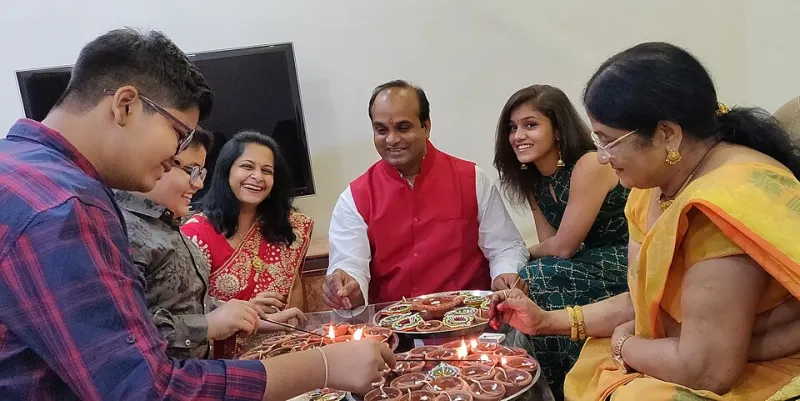
Diwali is celebrated in many ways across the Hindu world, but in Britain it often gathers families around lamps, sweets, prayers and visits to the mandir. Remembrance Sunday gathers the nation around silence, wreaths, poppies and acts of remembrance. One is a festival; the other is a national commemoration. They do not share a theology, but they do share a language of light and remembrance that families can navigate with sensitivity.
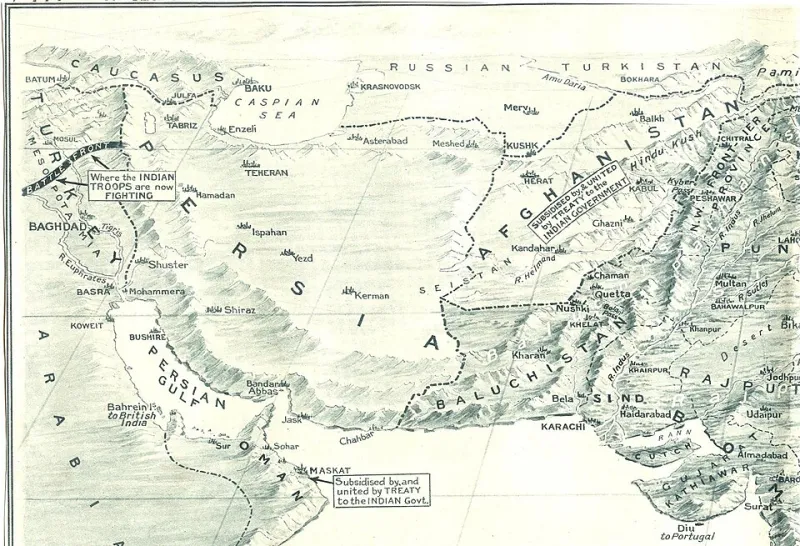
For many British Hindus, Remembrance Sunday also carries a historical dimension. Indian soldiers served in the First and Second World Wars, and Hindus continue to serve in the British Armed Forces today. Acknowledging that history does not require militarism. It can be an act of honesty and gratitude, held alongside a faith that values ahimsa and the protection of the vulnerable.
At the Mandir: Scheduling Around the Silence
The two-minute silence at 11am is the fixed point of Remembrance Sunday. Where a mandir has morning activities, it is appropriate to pause whatever is underway and observe the silence together. A simple announcement beforehand is enough: explain that the community will keep two minutes of quiet, and invite those who wish to stand to do so. No lengthy liturgy is required. The silence itself is the act.
Diwali aarti and Lakshmi puja are often held in the evening, which allows families to attend a morning act of remembrance and a later celebration without treating either as an afterthought. Where a mandir chooses to hold a short Remembrance observance before the evening aarti, it should be clearly distinguished from the puja. A wreath or a single poppy placed near, but not on, the mandir shrine can signal respect without confusing the two symbolic worlds.
Shree Shakti Mandir’s approach this year is to keep the morning silence simple and the evening Diwali observance joyful. Families who cannot attend both should not feel diminished. The mandir exists to support devotion in real lives, not to add pressure to an already full weekend.
At Home: A Table Set for Both
In the home, the practical question is often about timing. A family may wish to observe the silence at 11am, then prepare for evening lamps. This is entirely workable. The morning can include a short reading or a quiet conversation about remembrance; the evening can include the usual diyas, sweets and prayers. Children benefit from seeing that both are treated with care rather than rushed through.
Some households may choose to place a poppy on a side table near the family shrine, not as an object of worship but as a marker of remembrance. Others may prefer to keep the two separate, with the poppy worn on a coat and the diya lit at the shrine. Both approaches are respectful. What matters is that neither symbol is used carelessly or explained as if it were the other.
Food and hospitality also need thought. Diwali gatherings often involve sweets and shared meals. If a family is hosting on 8 November, a brief pause at 11am can be announced gently to guests. Non-Hindu friends and neighbours will usually welcome the chance to observe the silence with their hosts. It is a small act of hospitality in reverse: inviting others into a moment of national remembrance while sharing the warmth of Diwali later in the day.
Talking with Children About Poppies and Diyas
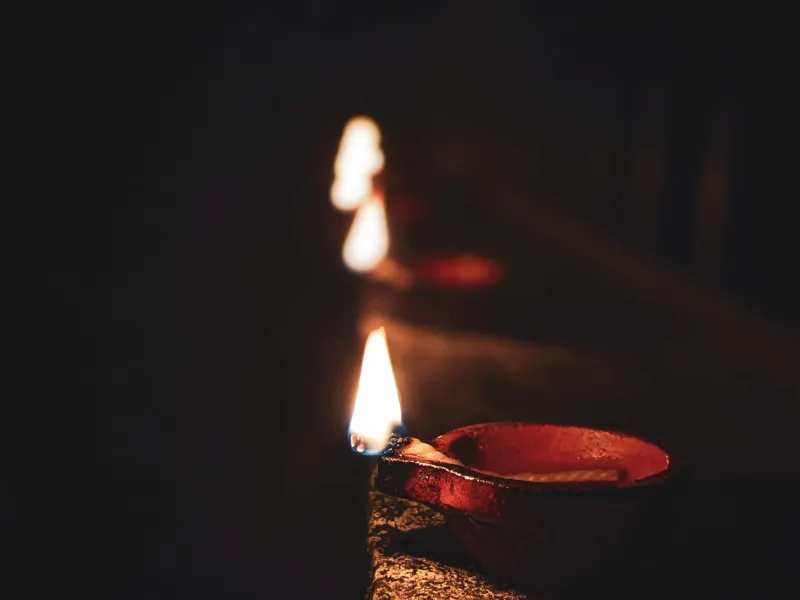
Children often ask the most direct questions. Why do we wear a poppy? Why do we light a diya? A useful starting point is to explain that both are about remembering, but they remember different things. The poppy is worn to remember people who suffered or died in war and to support those who serve. The diya is lit to welcome light, to honour the divine and to celebrate the victory of good over darkness.
It is important not to glorify conflict when explaining Remembrance. Instead, speak of service, courage, loss and the hope of peace. For Hindu families, this can be connected to the broader value of doing good without seeking harm. Children can understand that remembering is not the same as celebrating war; it is a way of taking seriously the cost of peace.
A simple family activity is to light the Diwali lamp after the silence, perhaps with a short thought: ‘We remember those who served, and we light this lamp for peace.’ This gives children a clear, gentle frame. It also avoids the impression that Diwali has been overshadowed by Remembrance, or that remembrance is an interruption to the festival.
The Wider Community: Invitations and Boundaries
In mixed-faith and mixed-background neighbourhoods, this weekend offers an opportunity for careful conversation. A Hindu family might explain to friends that Diwali is a festival of light and that Remembrance Sunday is a national day of memory. There is no need to over-explain or to apologise for either. Clarity and warmth are usually enough.
Mandirs and community groups may also consider a short joint moment of reflection, but it should be framed honestly. A gathering that includes a silence, a reading and a Diwali lamp-lighting can work well if each element is given its proper place. What should be avoided is a vague blending that leaves everyone unsure what is being celebrated or remembered.
A Gentle Conclusion
A Sunday of two lights does not require a family to choose between devotion and citizenship, between celebration and remembrance. It asks for rhythm: silence at 11am, lamps in the evening; a poppy worn with care, a diya lit with joy; a conversation with children that is honest about both. In a British Hindu household, these can sit together without confusion.
Shree Shakti Mandir wishes every family a Diwali filled with light and a Remembrance Sunday marked with respect. May the lamp we light be a prayer for peace, and may the silence we keep be a sign that memory has a place in the life of our community.