The Hall Next Door: Planning a Safe Winter Warm Space in a British Mandir
Photo: U.S. Marine Corps photo by Lance Cpl. Donald Dugger, Public domain, via Wikimedia Commons
As November 2026 brings shorter days and the heating goes on earlier, many UK households are weighing energy costs against comfort. Community buildings — libraries, churches, community centres and, increasingly, mandirs — are considering whether to open as warm spaces. For a temple, the question is not simply whether to be hospitable. It is how to offer warmth without compromising worship, safeguarding or the dignity of guests.
Begin with purpose, not publicity
A mandir exists first as a place of worship. Winter hospitality should sit alongside that purpose, not compete with it. Trustees may wish to define a modest scope: a hall or side room, set hours, a maximum number, and a clear distinction between worship areas and hospitality areas. Guests should be welcomed without being asked to explain why they have come. A warm space is not a drop-in centre, an advice surgery or a recruitment opportunity. It is a room with tea, heat and company, offered without conditions.
Dignity matters more than branding. Avoid photographing guests, issuing press releases about numbers, or turning the initiative into a campaign. A notice on the temple board and a line in the local council's warm welcome listing may be enough. The aim is not to be seen to help; it is to help.
Check insurance and the building first
Before opening the doors, trustees should speak to their insurer. Many policies cover community use, but not automatically. Public liability, fire safety, capacity limits, heating, accessibility, toilet provision and kitchen use all need checking. If hot food is served, food hygiene training and registration may apply. A fire risk assessment should be current, and exits must remain clear. Winter conditions bring additional risks: gritted paths, safe steps, adequate lighting and a plan for closing early if weather deteriorates. These are not reasons to abandon the idea. They are the ordinary groundwork of hospitality.
Safeguarding is part of welcome
Any space open to the public needs a safeguarding lead and clear procedures. Volunteers working with children or vulnerable adults should be recruited carefully, with appropriate DBS checks where the role amounts to regulated activity. A simple code of conduct, an incident book and a named contact are essential. The two-adult principle should apply in rooms where guests may need personal support. Volunteers should know how to signpost, not advise, on housing, benefits, immigration or health. Confidentiality should be respected, and no guest should be asked to share personal information at the door.
Build a rota that can last
Winter hospitality fails when it depends on one enthusiastic volunteer. A rota with short shifts, paired volunteers, a backup list and a named coordinator is more sustainable. Training should cover fire procedures, safeguarding, food hygiene and what to do if someone becomes unwell. Volunteers should be reimbursed for reasonable expenses and offered refreshment themselves. The rota should respect festival days and aarti times, and it should not assume that older devotees will carry the burden. A mandir that cares for its volunteers is better placed to care for its guests.
Work with neighbours, not in isolation
Local authorities, libraries, churches, gurdwaras, mosques and community centres are already mapping warm spaces. A mandir can join that network without losing its identity. Partnership can mean shared publicity, signposting, occasional agency visits or simply a coffee morning for coordinators. It should not mean proselytising or allowing partners to use the space for unrelated campaigns. Interfaith co-operation works best when each partner is clear about its boundaries and its purpose.
Hold worship and welfare together
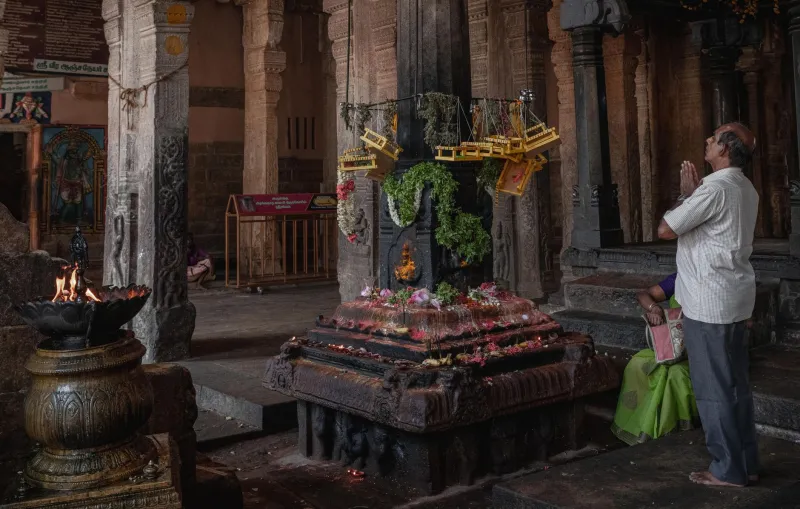
The hardest question is not logistical but spiritual. How does a warm space relate to the shrine? In practice, separation helps. Keep the worship area for worship. Let the hall be the hall. Guests who wish to observe should be welcomed to do so, but no one should feel pressure to participate. Prasad should be offered as hospitality, not as a test. Festival days may need different arrangements, with capacity limits and extra volunteers. The balance is not between being a temple and being a community centre. It is between two forms of seva, each with its own discipline.
Measure quietly and learn
Accountability does not require publicity. Trustees can record anonymous attendance, gather simple feedback and note what worked. Funders may ask for evidence, but that evidence can be kept internal. A short review at the end of winter, shared with volunteers and trustees, is more useful than a glossy report. Thank the people who gave their time, and ask guests what would make the room more comfortable. Small adjustments — quieter music, clearer signage, a separate quiet corner — often matter more than grand plans.
A warm space is a modest idea. It asks for a hall, a kettle, a rota and a willingness to be present. It also asks for care. Done well, it can express the mandir's deepest instincts without turning worship into a service or guests into statistics. As the winter of 2026 settles in, that is a welcome worth preparing for.