The Careful Ladle: Building a More Inclusive Prasad Culture in British Mandirs
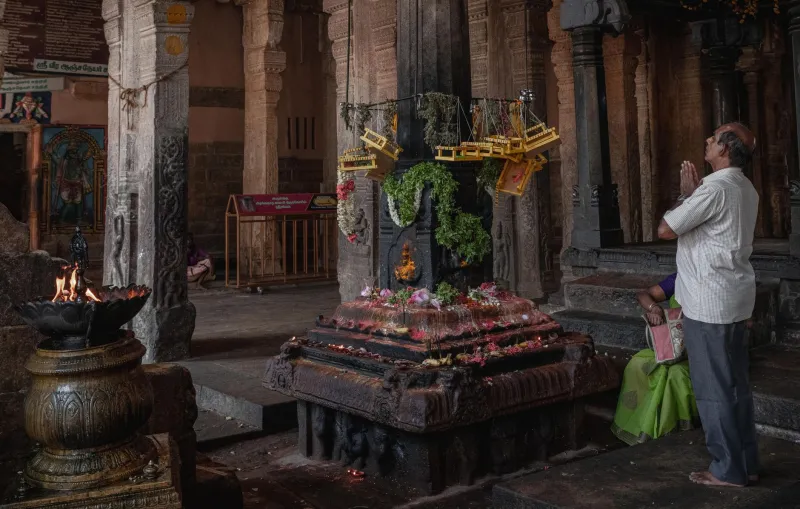
Prasad is often the first thing a visitor tastes at a mandir and the last thing they remember. A spoonful of halwa, a piece of fruit, a handful of savoury mixture: these are small offerings, but they carry a large message about welcome, equality and community. In 2026, that message needs to reach every plate.
British Hindu households are diverse. Some devotees live with nut allergies, coeliac disease, lactose intolerance or diabetes. Others follow vegan, Jain or other dietary disciplines for reasons of faith, health or conscience. A shared meal after worship should draw people together, not leave anyone quietly stepping aside. The answer is not to abandon tradition, but to practise hospitality with greater attention.
Hospitality Begins with a Question
The most useful step happens before the cooking begins. Where a mandir collects names for a festival meal, a simple line on the registration form can make a significant difference: 'Please tell us about any allergies or dietary needs in your household.' The wording should be calm and practical, not medical or intrusive. Families can then decide what to share.
This approach also helps kitchen teams plan quantities. A small number of gluten-free portions, a dairy-free alternative or a fruit-only option need not complicate the menu. What complicates service is discovering a need at the last moment, when the queues are long and the volunteer at the counter has no information to hand.
Clear Labels, Calm Kitchens
Good labelling is an act of care. At a minimum, serving tables can display a card for each dish listing the main ingredients and any known allergens. In a UK context, the fourteen major allergens are a sensible reference point: celery, cereals containing gluten, crustaceans, eggs, fish, lupin, milk, molluscs, mustard, nuts, peanuts, sesame, soya and sulphur dioxide. A mandir need not turn its kitchen into a laboratory, but it should avoid vague assurances.
Phrases such as 'nut-free' can be especially misleading in a community kitchen where several dishes are prepared side by side. It is more honest to say 'made in a kitchen that handles nuts' where that is true. Similarly, a dairy-free dish should be prepared with clean equipment and separate utensils if it is intended for someone with a milk allergy.
Separate serving spoons, colour-coded boards and a clearly marked table for special dietary items are simple measures. They do not undermine the spirit of prasad. They protect it.
A Volunteer Checklist for Safer Serving
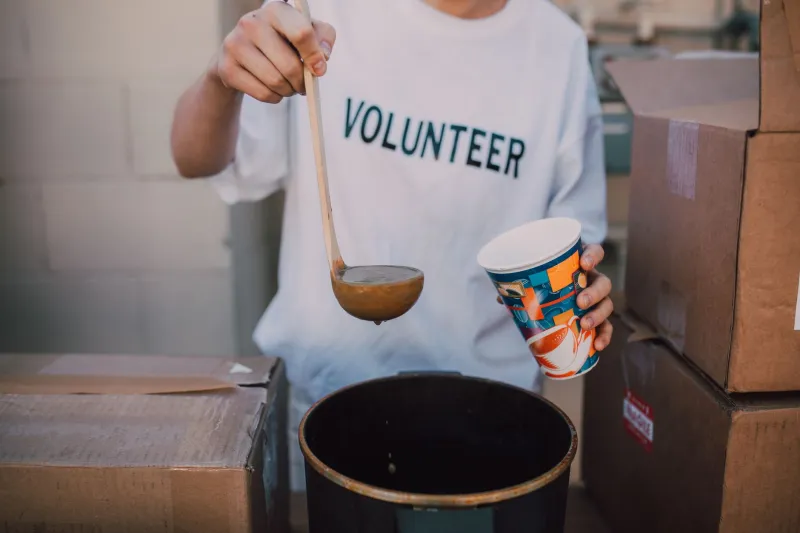
Mandir kitchens are usually run by devoted volunteers, not professional caterers. A short checklist can support them without adding unnecessary pressure.
- Ask families in advance about allergies and dietary needs.
- Keep a written ingredient list for every dish served.
- Display clear labels at the serving table, using plain English.
- Use separate utensils for dishes containing nuts, dairy or gluten.
- Provide a simple fruit option where possible.
- Brief volunteers on what to say if they are unsure about an ingredient.
- Keep a named person on hand to answer questions during service.
- Avoid promising that a dish is 'completely free from' an allergen unless the kitchen can genuinely guarantee it.
While much of the UK legal framework around allergen information is designed for commercial food businesses, mandirs can adopt its principles voluntarily. The Food Information Regulations and the changes often described as Natasha's Law have raised public awareness of allergen risks. Community kitchens can reflect that awareness without treating every meal as a compliance exercise.
Tradition and Dietary Need Are Not Opposites
Some volunteers worry that offering alternatives will divide the community or dilute tradition. In practice, the opposite is often true. A mandir that provides a small fruit plate for a child with a nut allergy, or a dairy-free sweet for a devotee who cannot take milk, is not creating a separate table. It is widening the welcome.
There is also room for creativity within tradition. Halwa can be made with oil rather than ghee where appropriate. A simple rice or fruit preparation can sit alongside richer festival foods. Smaller portions can help older devotees and those managing diabetes. None of this needs to replace the main offering. It simply recognises that a shared blessing should be shared as widely as possible.
Voices from the Community
One regular volunteer, who asked not to be named, described how a single question changed the atmosphere at her mandir's festival meal. 'We started asking on the booking form and at the door,' she said. 'At first we thought it would be awkward. Actually, people were relieved. One mother told us her son had never stayed for the meal after Diwali because she was worried about nuts. This year he stayed.'
Another devotee explained that she had stopped taking prasad at large events after a reaction several years ago. 'It was not anyone's fault,' she said. 'Nobody knew. But I did not want to make a fuss. Now, if I see a label, I feel I can ask.'
These accounts are not unusual. They point to a quiet form of exclusion that can be removed with better communication and a little planning.
Keeping the Spirit Intact
Prasad is not merely food. It is a gesture of grace, offered without expectation and received with gratitude. That spirit is not threatened by careful labelling or a separate spoon. It is strengthened when more people can receive the offering safely and with dignity.
As Shree Shakti Mandir and other UK communities prepare for the remaining festival season of 2026 and the year ahead, the careful ladle is a small symbol of a larger commitment. Faith, food and safety can sit at the same table. Indeed, they should.