Hospitality with Substance: Planning a Winter Interfaith Open Day in a British Mandir
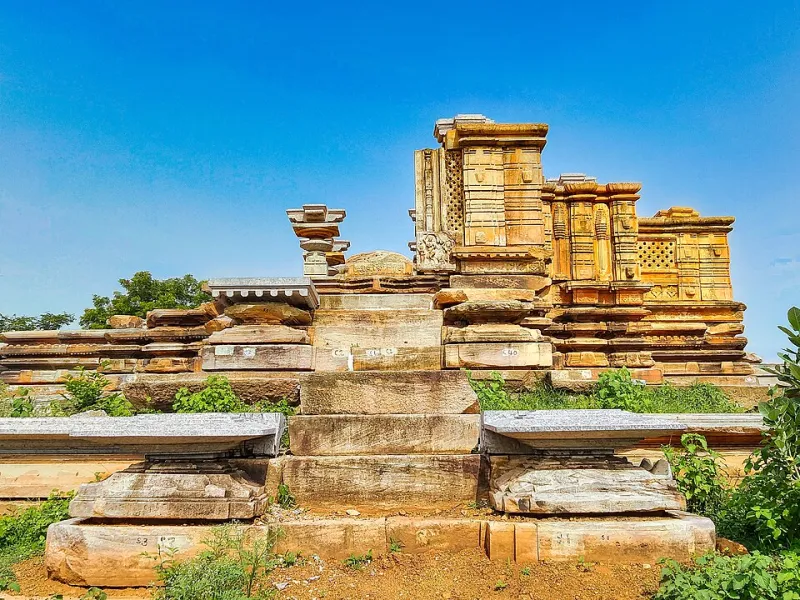
Photo: P. Madhusudan, CC0, via Wikimedia Commons
An open day at a mandir is often imagined as a simple act: unlock the doors, put on the kettle, and wait for neighbours to arrive. In practice, hospitality with substance requires preparation. At Shree Shakti Mandir, as at many British Hindu communities, the winter months offer a natural moment to invite local people in — not as spectators to a performance, but as neighbours who may have walked past the building for years without knowing what happens inside.
Begin with purpose, not a programme
The first question is not what to serve or whom to invite, but why the day is being held. A winter interfaith open day should aim at relationship rather than display. Useful aims are modest and specific: that neighbours know where the mandir is and what it is for; that they have met at least one volunteer by name; that they feel able to return for a quieter visit or a festival; and that the mandir has learned something about the neighbourhood in return.
This matters because tokenism is easily detected. An event that treats other faiths as an audience for a single afternoon, without any intention of continuing the conversation, can leave everyone politely unsatisfied. Better to plan a small gathering with clear follow-up than a large showcase with no next step.
Invitations that do not presume
Invitations should be plain, welcoming and practical. A printed card, a short email and a notice through the local interfaith network or civic society will reach different people. Where relationships already exist — through schools, food banks, tenants' associations or neighbouring churches, gurdwaras and mosques — a personal word is worth more than a hundred flyers.
The invitation should say what will happen, how long it will last, whether seating is available, what visitors should wear or remove, and whether food will be served. Ask about access needs and dietary requirements in advance. Avoid language that frames the mandir as exotic or the visitors as tourists. The tone should be that of a household inviting neighbours over: respectful, unforced and clear about the welcome being offered.
The shape of the visit
A good open day has a rhythm. Arrival should be unhurried, with tea and a named volunteer at the door. A short welcome can explain the mandir's place in the local community and the purpose of the day. Small-group tours work better than large crowds; they allow questions and reduce the sense of being marched through a sacred space.
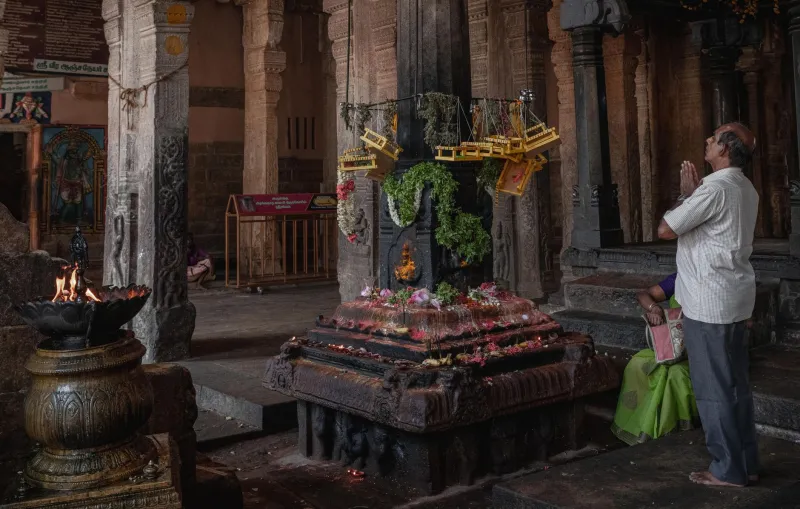
Guides should explain the murti, the lamp, the bell and the offering without turning the tour into a lecture. It is enough to say what is happening and why it matters to those who worship here, while making clear that visitors are not expected to take part in ritual. Photography should be by consent, and some areas may be kept private. A quiet room or seated corner is useful for anyone who needs to step back.
Honest questions, calm answers
A short Q&A can be the most valuable part of the day, provided it is framed well. The chair should set simple ground rules: curiosity is welcome, proselytising is not, and no one should be interrogated. Three or four volunteers can prepare for common questions about diet, daily practice, women's roles, caste, politics and the place of Hindus in Britain. Answers should be honest and nuanced; where a question touches on internal diversity, say so. No one needs to pretend that every Hindu agrees on everything.
If a question is inappropriate, the chair can redirect it without embarrassment. The aim is not to win an argument but to leave visitors with the sense that they have been taken seriously.
Prasad and the practicalities of welcome
Prasad is an act of hospitality, not a test of belonging. Volunteers should explain what is being offered, list ingredients where possible, and provide sealed or fruit alternatives for allergies and dietary needs. Handwashing facilities should be obvious. No one should feel pressured to eat. Serving should be calm and orderly, with enough seating and a clear route for older visitors.
The kitchen team deserves particular attention. A winter open day can put unexpected pressure on volunteers who are already preparing for weekend worship. Keep the menu simple, plan quantities in advance, and make sure the prasad rota is separate from the tour rota so that no one is doing two jobs at once.
Safeguarding and the quiet work
Warmth and safeguarding are not opposites. Where children or vulnerable adults may attend, volunteers should be recruited and checked in line with the mandir's safeguarding policy. A named safeguarding lead should be visible and briefed. Fire exits, first aid, accessible toilets and sign-in should be checked before the doors open. Photography and social media need consent, especially for images of children.
Much of this work is invisible to visitors, which is as it should be. A risk assessment and a short volunteer briefing are not bureaucracy for its own sake; they are part of taking hospitality seriously.
A rota that shares the load
No open day should depend on the same five people. Roles can be divided into welcome, tour guides, kitchen, prasad service, Q&A, safeguarding, cleanup and follow-up. Shifts of two hours, with a thirty-minute briefing before the event and a short debrief afterwards, keep volunteers fresh and allow more people to take part. Include women, younger adults and speakers of local community languages where possible. Have backups for key roles.
After the doors close
The measure of the day is what happens next. Send a brief thank-you to visitors and community partners. Record contact details only with consent. Offer a reciprocal visit to a local church, mosque, gurdwara or community group. Feed the learning back into the mandir's community calendar. A short written note in the local interfaith bulletin will do more for year-round relationships than a glossy photograph.
A mandir's door is open throughout the year. A winter interfaith open day should make that visible: a warm cup, a clear explanation, respectful boundaries and a genuine invitation to return. That is hospitality with substance, and it is how British Hindu communities can build local relationships that outlast the mince pies and the winter lights.